Create Custom Backgrounds with 12 Old Paper Textures, Printable Paper
There's a certain warmth to aged paper that digital screens often struggle to replicate. The subtle grain, the faint discoloration, the hint of history—these elements add depth and character that flat, uniform backgrounds simply cannot match. For crafters, designers, and small business owners, achieving this authentic, tactile feel on printed projects has traditionally required sourcing specialty paper or applying complex digital filters. However, a versatile solution exists in the form of digital assets like 12 Old Paper Textures, Printable Paper, a collection designed to bring vintage charm directly to your home printer.
Understanding the Asset: More Than Just a Background
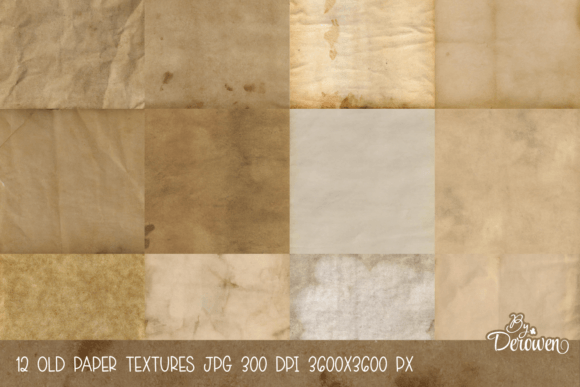
At its core, this collection provides twelve distinct, high-resolution JPEG files. Each file is a 12x12 inch sheet at 300 DPI, ensuring sharp, professional-grade output on a variety of mediums. The visual personality of these textures is key: they emulate the look of well-loved, slightly worn paper. Think of the gentle foxing on an old map, the uneven tone of a letterpress print, or the soft, fibrous texture of handmade paper. This isn't a sterile, perfect digital effect; it's designed to introduce organic irregularity and warmth into your projects.
The appeal lies in its versatility as a foundational design asset. Unlike a specialized script font or a bold display font, these textures serve as a canvas. They can influence the entire mood of a piece, setting a tone that is nostalgic, rustic, elegant, or handmade. This makes them incredibly useful for projects where atmosphere and tactile quality are paramount to the brand identity you're trying to convey.
Practical Applications: From Scrapbooks to Sublimation
The true value of 12 Old Paper Textures, Printable Paper is unlocked in its application across a spectrum of creative and commercial endeavors. For the hobbyist crafter, these files are a gateway to elevated personal projects. Printing them on cardstock instantly creates unique, patterned bases for handmade greeting cards, scrapbook layouts, or journal pages. The textures provide visual interest without overwhelming the photos and embellishments layered on top.
For entrepreneurs and small business owners, the applications are equally potent. Consider using these textures to design custom wrapping paper or tissue paper for your product packaging. A gift wrapped in paper that feels aged and special enhances the unboxing experience, adding perceived value and aligning with brands that emphasize craftsmanship and story. Similarly, they can be printed on sticker paper to create vintage-style labels for jars, candles, or soap, or used as backgrounds for social media graphics to add a layer of authenticity to your online presence.
The compatibility with sublimation printing opens another dimension. Sublimation allows you to transfer these textures onto a vast array of hard surfaces—ceramic mugs, polyester fabrics, metal panels, and more. Imagine a set of coasters with a map-like texture, or a tote bag featuring a subtle, tea-stained background. This technique enables you to create cohesive, branded merchandise or unique home décor items with a professional, long-lasting finish.
Integrating Textures into Your Design Workflow
When incorporating any new design element, a strategic approach yields the best results. First, consider the project's goal. Is the texture meant to be a dominant feature, like on a vintage-style poster, or a subtle backdrop for modern typography? For the latter, you might reduce the opacity or blend it softly with a solid color layer in your design software. This allows the texture to add depth without competing with your primary message or a clean sans serif font.
Font pairing is a critical consideration. The organic, often rustic nature of old paper textures pairs beautifully with typefaces that have their own character. A elegant serif font can look wonderfully traditional, while a bold, industrial sans serif font can create a compelling contrast between old and new. Avoid overly ornate or complex script fonts for body text on these backgrounds, as the competing textures can reduce readability. Always test your text on the texture at the final print size to ensure legibility.
Before committing to a large print run, always do a test. Print a small section on the exact paper or material you plan to use—be it cardstock, sticker paper, or printable vinyl. This is non-negotiable. As noted, colors and quality can shift based on your printer's settings, its ink levels, and the paper's own finish. A matte paper will absorb ink differently than a glossy one, affecting the texture's appearance. This step ensures the final product matches your vision and maintains the professionalism your project deserves.
Elevating Your Projects with Authenticity
In a digital world saturated with crisp, flawless imagery, the subtle imperfections of an old paper texture can be a powerful differentiator. It signals care, thoughtfulness, and a connection to tradition. Whether you are designing a wedding invitation suite that whispers of romance, creating a brand identity for an artisanal food product, or simply crafting a heartfelt personal gift, starting with the right foundation makes all the difference. 12 Old Paper Textures, Printable Paper provides that versatile, high-quality foundation, empowering you to produce tangible items that feel both unique and deeply personal, all from the convenience of your own printer.