Aged Western Cowboy Leather: A Typeface Rooted in the American Frontier
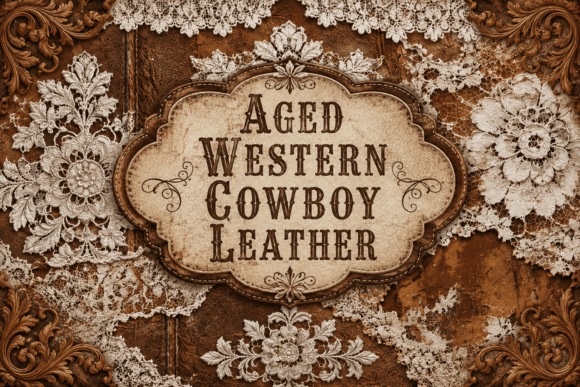
There is a distinct visual language associated with the American West. It’s a combination of grit, elegance, and history that feels both rugged and refined. Aged Western Cowboy Leather is a typeface that captures this essence perfectly. Unlike standard sans serif font families or minimalist modern typography, this design prioritizes texture and atmosphere. It doesn't just spell out words; it tells a story of open ranges, vintage saddlery, and weathered barn wood. If you are looking to evoke a sense of nostalgia and authenticity in your design assets, this font provides a powerful visual anchor.
Visually, Aged Western Cowboy Leather is characterized by its distressed yet sophisticated letterforms. It functions primarily as a display font, meaning it is optimized for larger sizes where its intricate details can be appreciated. The characters often feature uneven edges, mimicking the look of ink pressed onto rough paper or the tooling on old leather goods. This is not a clean, geometric sans serif font; it is a creative font with personality. The high-contrast strokes and decorative serifs give it a vintage feel, but the execution remains professional enough for commercial use. It balances the wildness of a handwritten font with the structure of a traditional serif font, making it versatile for various brand identities.
The Practical Power of a Premium Display Typeface
When it comes to branding and marketing, the choice of typography can significantly influence audience engagement. A premium font like Aged Western Cowboy Leather does more than label a product; it sets a psychological expectation. For a small business owner or entrepreneur, using this typeface can instantly communicate values of craftsmanship, durability, and tradition. It suggests that the brand respects quality and history. This is particularly effective in industries where heritage is a selling point, such as artisanal goods, outdoor apparel, or boutique hospitality services.
From a design perspective, Aged Western Cowboy Leather excels in creating a strong visual hierarchy. Because it is a display font, it commands attention. It should be used for headlines, logos, and key call-to-action phrases where impact is necessary. However, its detailed nature means it is less suited for long-form body text. In editorial design or web design, pairing this typeface with a clean, legible sans serif font or a simple serif font is the best strategy. For example, using Aged Western Cowboy Leather for the title of a magazine spread and pairing it with a light, airy sans serif font for the captions creates a balanced layout that is easy to read but visually exciting.
Strategic Applications: From Logo Design to Social Media
The versatility of Aged Western Cowboy Leather allows it to shine across multiple platforms. In logo design, it serves as a solid foundation for brands that want a vintage or rustic aesthetic. It works exceptionally well for coffee roasters, breweries, ranches, and clothing lines that focus on denim and leather goods. When used in packaging design, the font adds a tactile quality to the visual experience, making the product feel more substantial and high-quality before the customer even touches it.
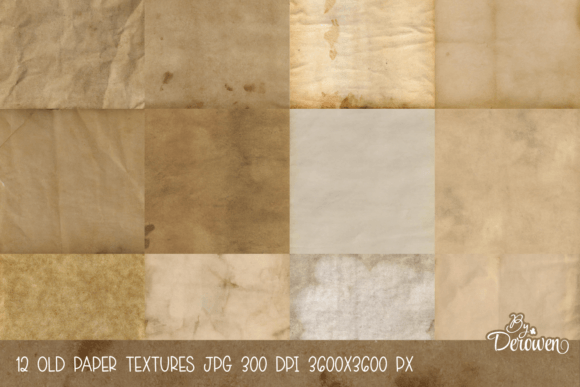
For digital creators and bloggers, this typeface is invaluable for social media graphics. The bold, textured nature of the letters stands out in crowded feeds, particularly on visual platforms like Instagram or Pinterest. It is an excellent choice for headers in travel journals or nature-themed blogs. Imagine a digital paper background featuring expansive prairie fields and scattered wildflowers—Aged Western Cowboy Leather would sit perfectly on top of such imagery, blending with the natural textures while remaining legible. It bridges the gap between digital art and traditional craft.
Integrating Aged Western Cowboy Leather into Your Workflow
Adopting a new typeface into your design workflow requires a bit of testing and evaluation. When you first introduce Aged Western Cowboy Leather to a project, take time to evaluate the kerning and tracking. Because of its vintage styling, the spacing between letters may need manual adjustment to ensure readability, especially in digital formats like web design where screen resolutions vary. Test the font at the specific sizes you intend to use; a display font that looks stunning on a poster might lose its definition if scaled down too small for a business card.
Another practical consideration is font pairing. As mentioned, this typeface pairs best with something that offers contrast. Avoid pairing it with other decorative or script fonts, as this can create visual clutter. Instead, look for a geometric sans serif font or a classic serif font with low contrast. This allows Aged Western Cowboy Leather to be the "hero" element of your design. For entrepreneurs building a brand identity, creating a style guide that specifies exactly when and how to use this font will ensure consistency across all marketing materials, from email newsletters to print advertisements.
Licensing and Long-Term Value
Finally, it is crucial to understand the licensing of the design assets you use. A high-quality creative font like Aged Western Cowboy Leather usually comes with specific commercial licensing terms. Whether you are a freelance designer working on client projects or a business owner creating your own materials, ensure that the license covers your intended use. This protects you legally and ensures that the font creator is compensated for their work. Investing in a premium font rather than relying on free, generic alternatives often saves time in the long run, as the quality of the outlines and the variety of glyphs provided are typically superior.
In conclusion, Aged Western Cowboy Leather is more than just a collection of letters; it is a stylistic tool that brings depth and character to creative projects. It appeals to a wide range of users—from scrapbookers creating junk journal digital papers to professional marketers designing national campaigns. By understanding its strengths as a display font and using it strategically within a broader design system, you can leverage this typeface to create memorable, impactful, and professional visual content that resonates with your audience.